Photo by Katrin Bolovtsova / Pexels
Is online gambling legal in Papua New Guinea? Short answer: nobody's coming to arrest you for it, but nobody's regulating it locally either — which is less a green light and more like driving on a road with no speed sign and no traffic cop, entirely at your own risk either way.
PNG has no law that specifically bans residents from playing on an offshore-licensed casino site, and no domestic licensing regime for online gambling either. That gap is exactly why so many operators can market to PNG players at all — and exactly why doing your own homework here matters more than it would in a country with a regulator actually watching the till.
The quick answer, before the fine print
There's no law in Papua New Guinea that makes it illegal for an adult resident to sign up with an offshore-licensed online casino. There's also no law that makes it explicitly legal, in the sense of a regulator issuing a licence and setting rules for it. It sits in the grey area between the two — legal to use, not locally regulated, entirely on you to vet who you're playing with.
That's not a dodge. It's the same honest answer our full casino guide gives when readers ask there too. One-line version for a mate at the bar: nobody's watching the till here, so you'd better check it yourself.
↑ Back to guide contentsHow Papua New Guinea's gambling laws actually work
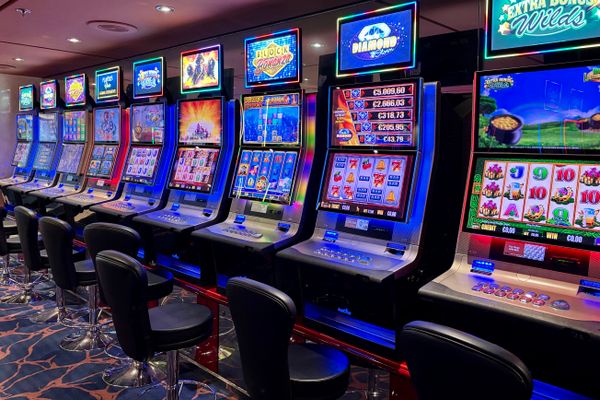
PNG's domestic gambling law is built around land-based venues and gaming machines, not websites. The oversight that applies to a physical gaming machine inside the country has no real equivalent for a site hosted in Malta or Curaçao and reached over a phone's 4G connection. There's simply no chapter written for that yet.
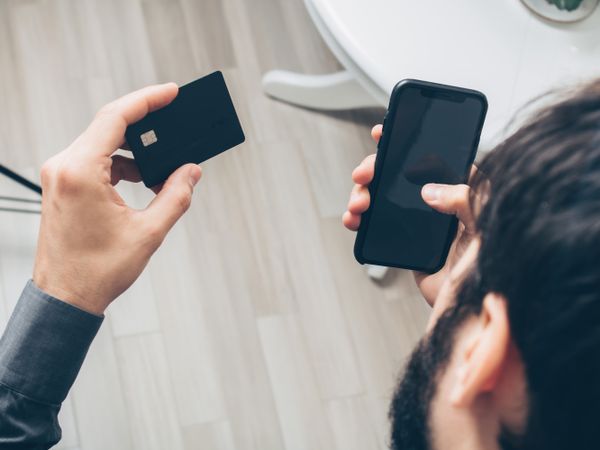
That's a common gap, not a uniquely PNG one — plenty of countries got around to regulating the pokies down the road long before they got around to regulating a phone screen. The Bank of Papua New Guinea oversees the financial-services side — the actual bank transfers that move your kina — but that's about payment rails, not about whether the casino itself is allowed to operate.

Photo by Gustavo Fring / Pexels
Nine times out of ten, when someone asks "is this legal," what they actually mean is "will something bad happen to me for doing this" — and the honest answer is that PNG's law simply isn't built to answer that question yet, for better or worse.
↑ Back to guide contentsWhat "offshore-licensed" actually means for you
Here's the honest number nobody puts in their marketing: zero operators serving PNG players are licensed in PNG, because the country doesn't run a domestic online gambling licensing regime. Every "licensed" badge you'll see on a casino site means licensed somewhere else — commonly Malta, Curaçao, or the Isle of Man.
That's not automatically a problem. A real offshore licence still means an actual regulator somewhere is reviewing the operator's game fairness and financial conduct — just not PNG's regulator, because PNG doesn't have one for this yet. The job that falls to you is checking the licence is genuine and current, not a badge that could've been made in an afternoon. eCOGRA is one of the independent bodies that actually audits game fairness for licensed operators, worth a look beyond the badge itself.
(We've searched a few of these licence numbers ourselves out of curiosity. Not all of them go anywhere useful.)
↑ Back to guide contentsWho shouldn't be playing at all
Eighteen is the line, same as every operator we cover requires at signup. If you're under that, this entire conversation about legal grey areas is moot — the answer for you is just no.
Beyond age, the same rule applies here as anywhere else: if gambling has ever felt less like entertainment and more like something you can't stop doing, the legal status of the site is the least important question on the table. GambleAware is a solid independent resource if that's where you're at, regardless of what any country's law does or doesn't say about it.
↑ Back to guide contentsStaying safe while the law stays grey
No regulator watching the till means the vetting job falls entirely on you. That's the actual reason PNG Casino King exists: we started testing operators personally in 2019 after one of our early testers had a mate win K3,400 on an offshore slots site, then wait three weeks for a withdrawal that should've taken days, chasing "under review" with no real explanation the whole time. Nothing about that was illegal. It was just badly run, and there was no regulator he could call to speed it up.
A short, practical checklist, since "grey area" isn't an excuse to skip due diligence:
- Check the licence number is real — search the issuing regulator's own site, don't just trust the badge.
- Do your KYC verification at signup, not the day you try to withdraw.
- Screenshot the bonus T&Cs before you deposit, since terms get quietly updated.
- Confirm the withdrawal method and timeframe before you deposit, not after.
Our own Kundu365 review walks through exactly this process end to end, licence check included, if you want to see it applied to a real operator rather than in the abstract.
None of this is legal advice — it's the honest rundown we'd give a mate at the footy. Play within a budget you've set before you start, treat any win as a bonus rather than a plan, and confirm your own eligibility under local law if you're ever unsure. That part isn't a joke.
↑ Back to guide contentsFrequently Asked Questions
Is online gambling legal in Papua New Guinea?
There's no PNG law banning residents from using an offshore-licensed casino, and no domestic licensing regime that makes it formally legal either. It's a grey area — usable, not locally regulated — so this isn't legal advice; check current guidance if you're unsure.
Is there a specific law banning PNG residents from online casinos?
No. PNG's domestic gambling law focuses on land-based venues and gaming machines. There's no legislation written specifically for offshore online casinos one way or the other.
What does "offshore-licensed" actually mean?
It means a regulator in another country — commonly Malta, Curaçao, or the Isle of Man — has reviewed the operator, not PNG. It's still a real licence, but the burden is on you to verify it's current and genuine rather than a badge in a footer.
Does PNG have a regulator for online casinos specifically?
Not yet. The country's gaming oversight is built around physical venues and machines, with no equivalent framework for websites hosted overseas.
What's the minimum age to gamble online as a PNG player?
18, matching every operator we review and the age limit stated across this site.
Does accepting kina deposits mean a casino is licensed in PNG?
No — that's a payment convenience, not a licensing signal. See our guide to casinos that accept kina for the full breakdown of that distinction.